Fossil fuels are deeply tied to electricity generation, industrial operations, and transportation among other crucial sectors and cannot be easily dissociated from energy use. CSTEP focuses on a greater integration of renewables and reduction of waste energy in such sectors. This includes working with utilities to improve rooftop solar penetration, mapping potential of various renewables across the country, and analysing energy usage of MSMEs to reduce their fossil fuel consumption.
What the Smart Grid Means and Does not Mean for India
IEEE Smart Grid: What the Smart Grid Means and Does not Mean for India
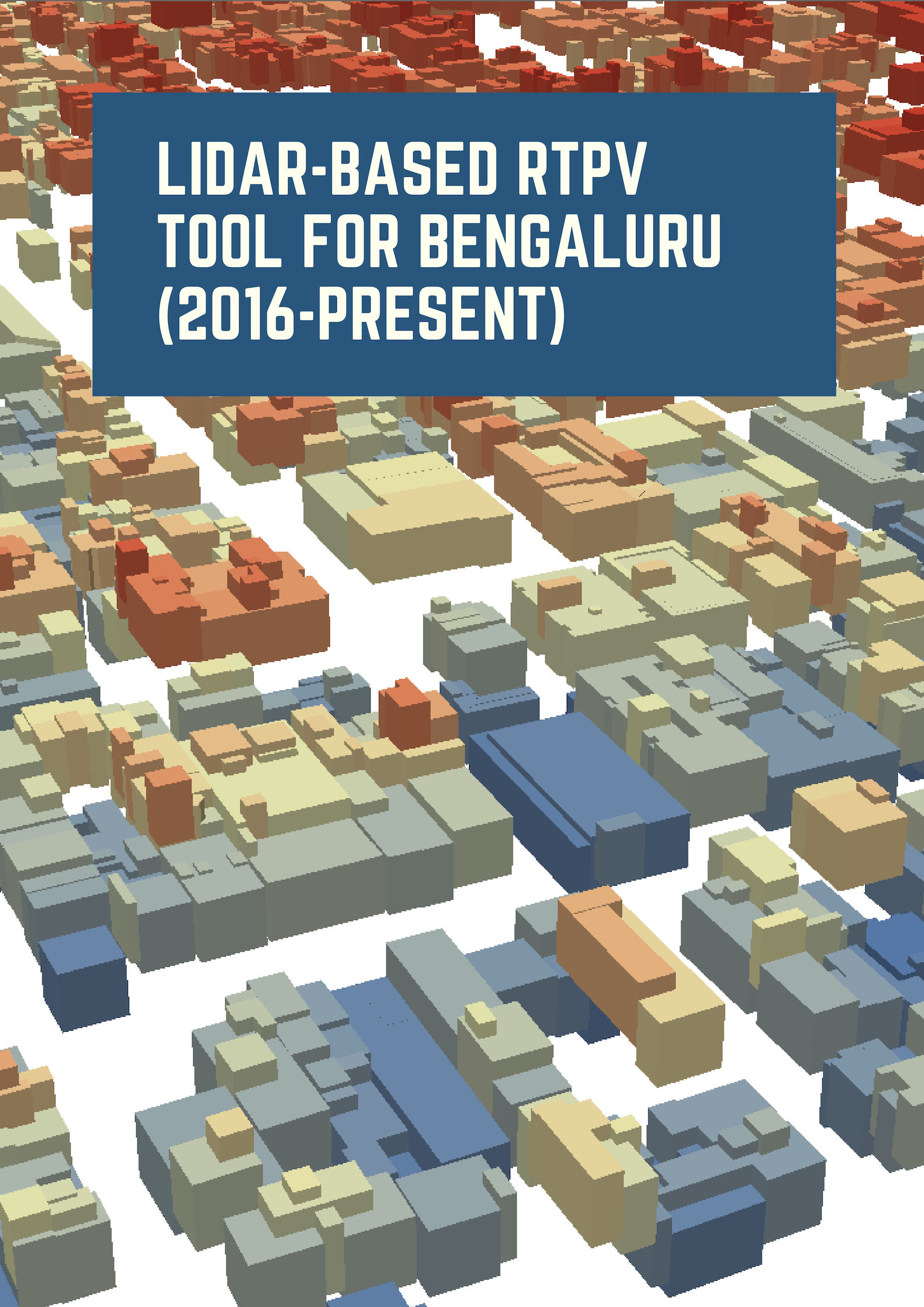
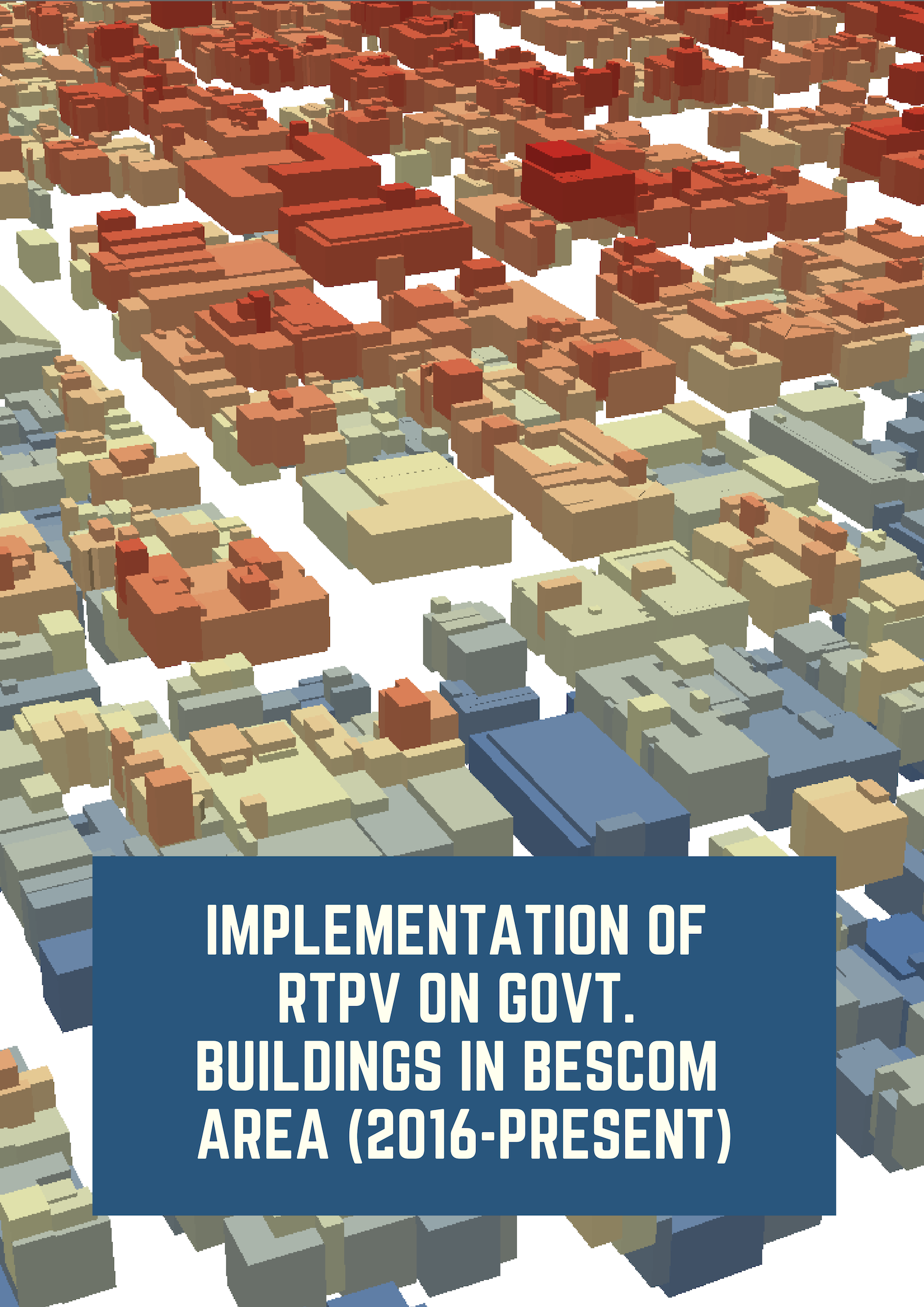
Techno-economic review of Rooftop Photovoltaic Systems: Case Studies of Industrial, Residential and Off-grid Rooftops in Bangalore, Karnataka
The objective of this study is to assess the financial feasibility of setting up Rooftop Photovoltaic (RTPV) systems in Bengaluru which is in the state of Karnataka, India.The objective of this study is to assess the financial feasibility of setting up Rooftop Photovoltaic (RTPV) systems in Bengaluru which is in the state of Karnataka, India.The objective of this study is to assess the financial feasibility of setting up Rooftop Photovoltaic (RTPV) systems in Bengaluru which is in the state of Karnataka, IndiaThe Renewable Energy Policy of the state mandates the installation of 250 MW of RT
A SMALL SMART GRID PILOT PROJECT
This is a reseach to implement progressive schemes for better management of the distribution
system the utility thought of undertaking a small Pilot project to prove and learn the
Smart Grid technology and functionalities in collaboration with Centre for Study of
Science Technology and Policy(CSTEP) in Bangalore (a non-profit organization) and has
successfully implemented the scheme in Mangalore City to monitor and control the loads
of a small group of consumers connected to two Distribution transformers and also
IEEE: The expertise to make smart grid a reality
The urgent power system needs in India are not necessarily the same as those in advanced industralised countries.The same goes for the most important power system constraints.Generally, not all smart grid technologies are equally relavent worldwide. In India,the really useful technologies will be those that constrain peak demand and peak load growth at reasonable cost while cutting losses.
Wind Power in Karnataka and Andhra Pradesh - Potential Assessment, Costs, and Grid Implications
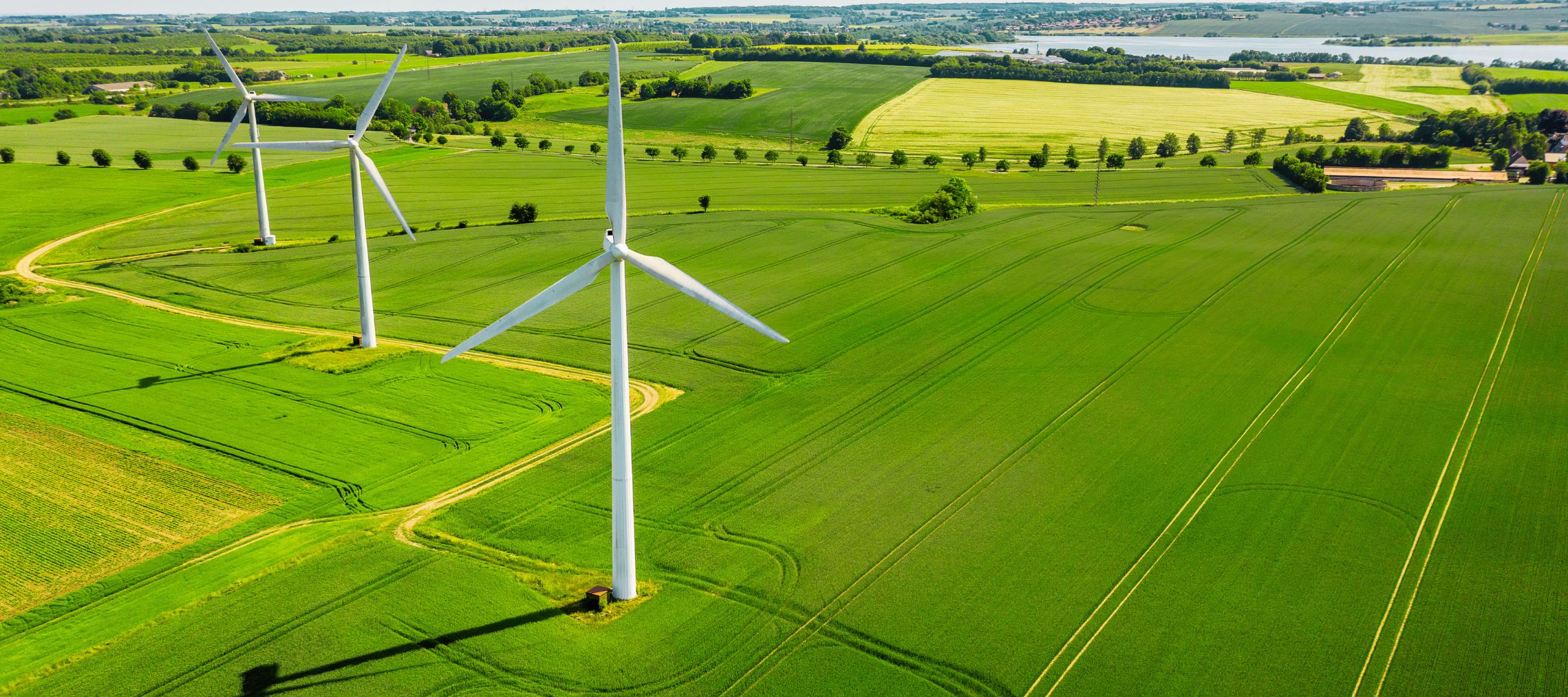
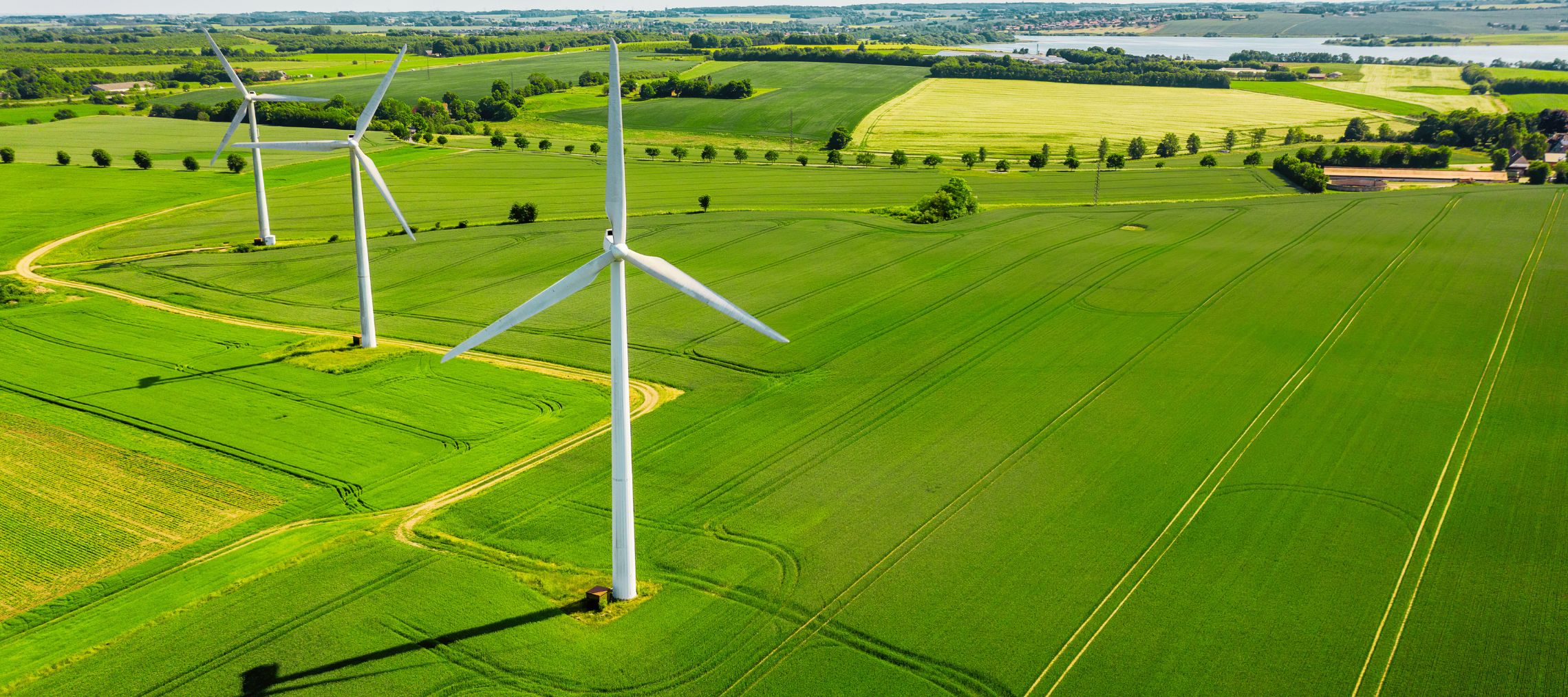
Till recently, the on-shore wind power potential in India was officially estimated to be 49 GW, out of which 17 GW forms part of the country’s mainstream energy mix. However, recent studies have indicated this potential to be underestimated. A few studies have estimated wind potential in India to be over 2000 GW and the official wind resource potential was recently revised to 102 GW by the Center for Wind Energy Technology (C-WET), at 80 m hub height.
Getting a buy–in from public on Kudankulam
Nuclear power is vital for India, and the government needs to be
more transparent in presenting the attendant risks, while
explaining that Kudankulam’s safety features are superior to those
of Fukushima.
The need for a pan India offshore wind atlas
Offshore wind trends are going to blow faster and steadier as compared to onshore wind. With a 7600-km coastline, India could become an attractive hub for offshore and wind investors in the coming years.
Smart grid can help electric vehicles tick
A synergy between smart grid infrastructure and EVs could enable utilities to work more effectively by managing the charging schedule, informing state transport agencies on EV charging status and keeping track of billing data through smart communication systems.
Smart Meters are the way to go
Integral to UDAY, smart meters can help discoms overhaul services. But picking the right technology is the issue.
It is critical to undertake infrastructure assessment studies related to supply chain, grid infrastructure and logistics
An interview to answer some key questions on offshore wind technology, policy and potential.