Energy is a key factor in combating climate change, one of the biggest challenges the world is facing today. India has committed to cutting emissions to net zero by 2070 and set ambitious targets for adopting renewable energy. Achieving these targets requires careful planning and an overhaul of our current energy system.
Our work aims at enabling policies that encourage the adoption of rooftop solar, facilitate the development of technology for energy storage, strengthen the grid and transmission infrastructure, advance hydrogen technologies, and promote green mobility. CSTEP's research looks at the various aspects of mainstreaming renewable energy for a cleaner, greener energy sector.



An Empirical Model of Power Curve of a Wind Turbine
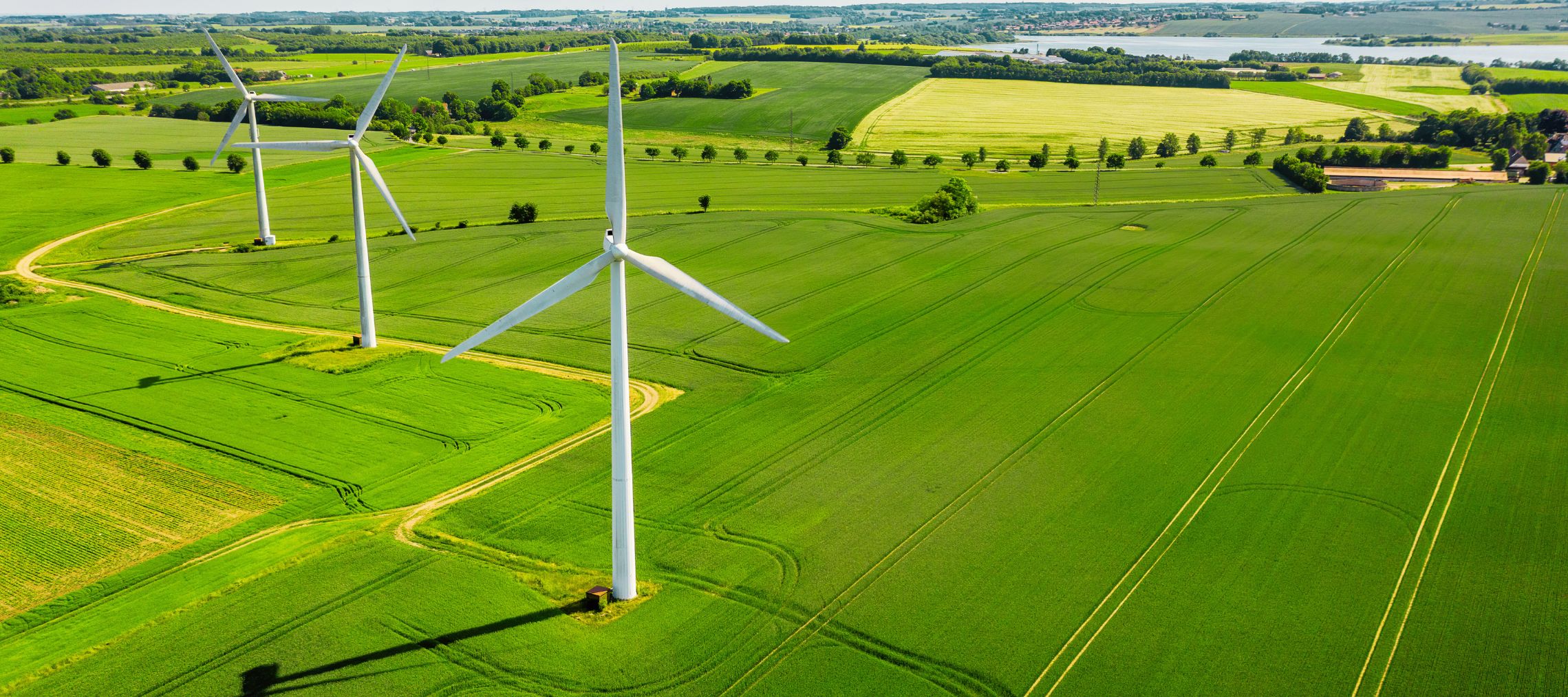
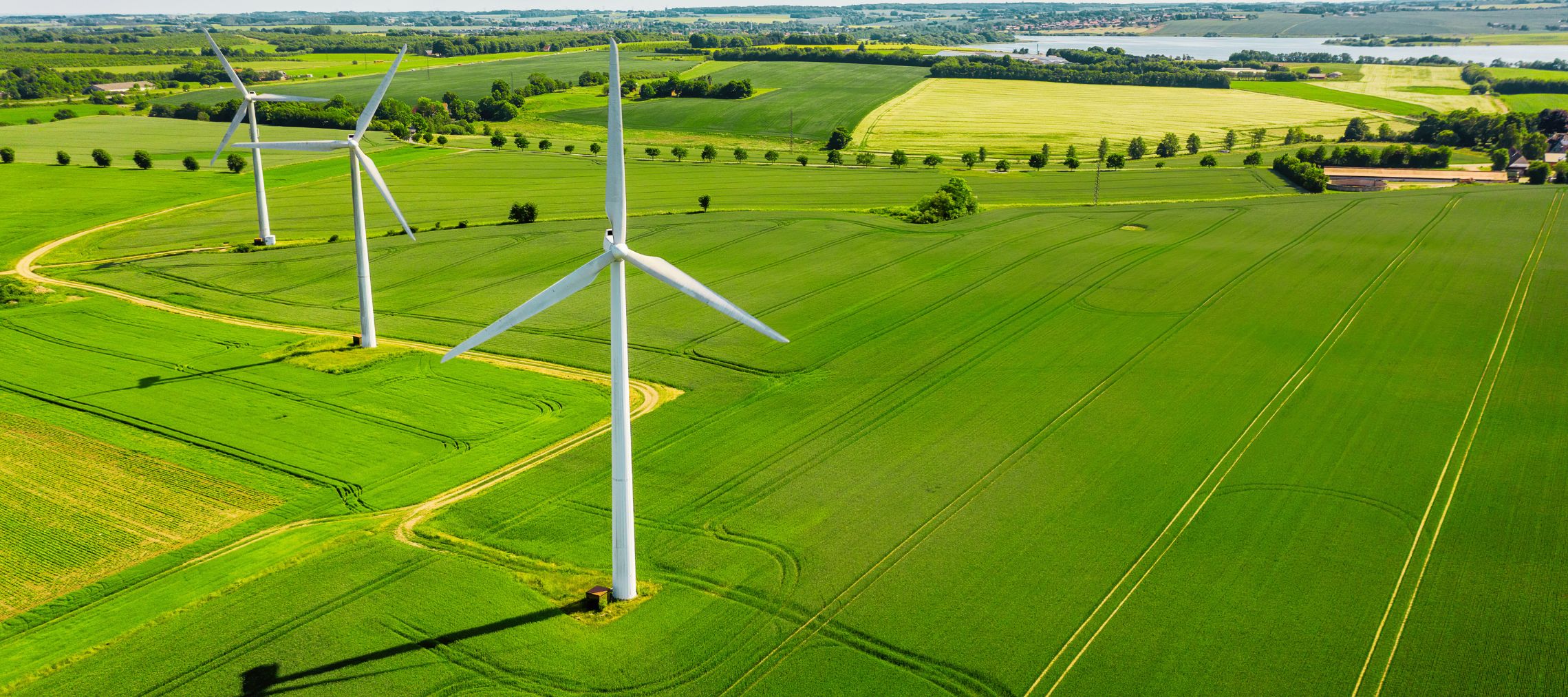
The power curve of a wind turbine grows exponentially as a function of wind-velocity if the measured wind-velocity varies between the cut-in velocity and the rated velocity In this study, we propose an empirical, two-parameter explicit model of the power curve for a wind turbine.
Harnessing Solar Energy: Options for India
The overall goal of the off-grid guidelines of the JNNSM is to achieve wider dissemination of solar
technology, and a generous capital subsidy of up to 90% is offered for rural applications Even so,
there are several bottlenecks to large-scale dissemination Primarily, the techno-economics,
financing and institutional mechanisms of several solar applications are not well understood
Therefore, these form a focus of this study In addition, this study looks at the Government of India’s
Analytical derivation of equivalent functional form of explicit J-V model of an illuminated solar cell from physics based implicit model
Recently a simple explicit model was introduced to represent the J–V characteristics of an illuminated solar cell with parasitic resistances and bias dependent photocurrent as j = (1 − vm)/(1 + αv), here the normalized voltage, v and normalized current density j can be represented as v = V/Voc and j = J/Jsc respectively, whereVoc is the open circuit voltage and Jsc is the short circuit current density. The model is an equivalent rational function form and useful for design, characterization and calculation of maximum power point voltage.
Resource Variations and Resultant Tariffs for On-shore Wind potential in Karnataka
This paper aims to inform the tariff setting process for wind resource in Karnataka, so that investments in wind infrastructure can be incentivized taking into consideration resource variations. This work presents a range of levelized tariffs for the on-shore wind potential of the state. The range is a result of the variation in capacity utilization factors estimated for various classes of Wind Power Density (WPD) in the state, for waste and scrub forest land categories, at 80 m and 100 m hub heights.
Utilisation of rice residues for decentralised electricity generation in Ghana: An economic analysis
This publication enlighten the reader about how ectricity can be produced using the rice husk at Ghana.Developing countries, especially in Sub-Saharan Africa, face large challenges to achieve universal electrification Using the case of Ghana, this study explores the role that rice residues can play to help developing countries meet their electrification needs In Ghana, Levelised Electricity Costs (LEC) of a grid-connected 5 MWe straw combustion plant ranged between 116 and 130 UScents/kWh, based on region of implementation .Rice straw combustion is a viable grid-connected option in all regi
A System Level Framework for Evaluating High Share of Renewables in the Future Energy Mix
Keeping in view India’s recent international commitment to expand the share of renewable electricity to 40%
CSTEP Policy Brief on Nuclear Power
Policy brief regarding nuclear power
Harnessing Materials for Energy
This special volume of MRS Bulletin on energy is the first of its
kind in which the magazine addresses a major societal issue This
issue has contributions from energy experts from many countries
and reflects not only the growing global concerns on energy but
also the opportunities that materials researchers can tackle Some
of the new materials are already available, and many are or will be
under development Nuclear fusion might still be many decades
away, but already, there are experiments with new materials to
A SMALL SMART GRID PILOT PROJECT
This is a reseach to implement progressive schemes for better management of the distribution
system the utility thought of undertaking a small Pilot project to prove and learn the
Smart Grid technology and functionalities in collaboration with Centre for Study of
Science Technology and Policy(CSTEP) in Bangalore (a non-profit organization) and has
successfully implemented the scheme in Mangalore City to monitor and control the loads
of a small group of consumers connected to two Distribution transformers and also
IEEE: The expertise to make smart grid a reality
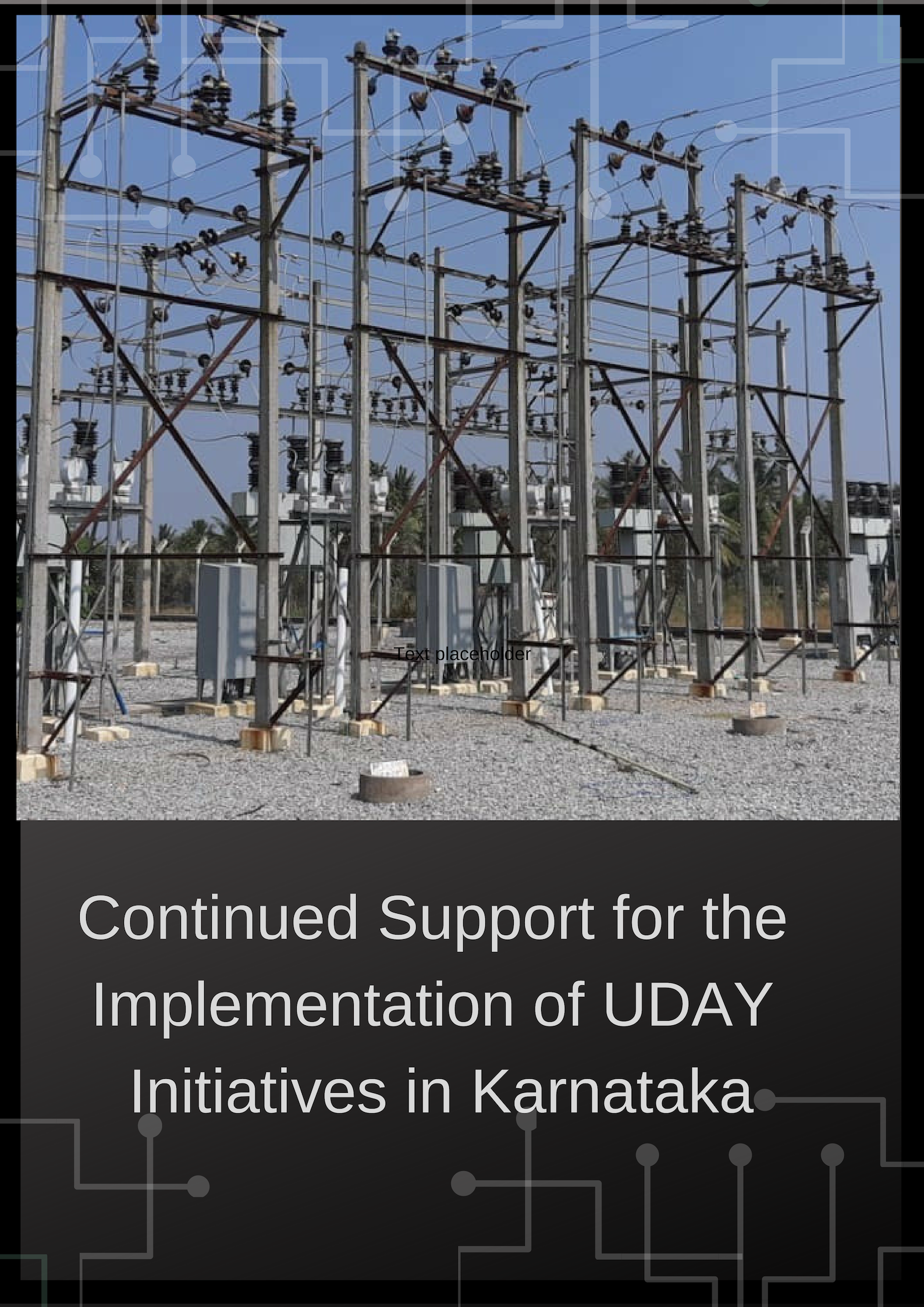
The urgent power system needs in India are not necessarily the same as those in advanced industralised countries.The same goes for the most important power system constraints.Generally, not all smart grid technologies are equally relavent worldwide. In India,the really useful technologies will be those that constrain peak demand and peak load growth at reasonable cost while cutting losses.