Energy is a key factor in combating climate change, one of the biggest challenges the world is facing today. India has committed to cutting emissions to net zero by 2070 and set ambitious targets for adopting renewable energy. Achieving these targets requires careful planning and an overhaul of our current energy system.
Our work aims at enabling policies that encourage the adoption of rooftop solar, facilitate the development of technology for energy storage, strengthen the grid and transmission infrastructure, advance hydrogen technologies, and promote green mobility. CSTEP's research looks at the various aspects of mainstreaming renewable energy for a cleaner, greener energy sector.
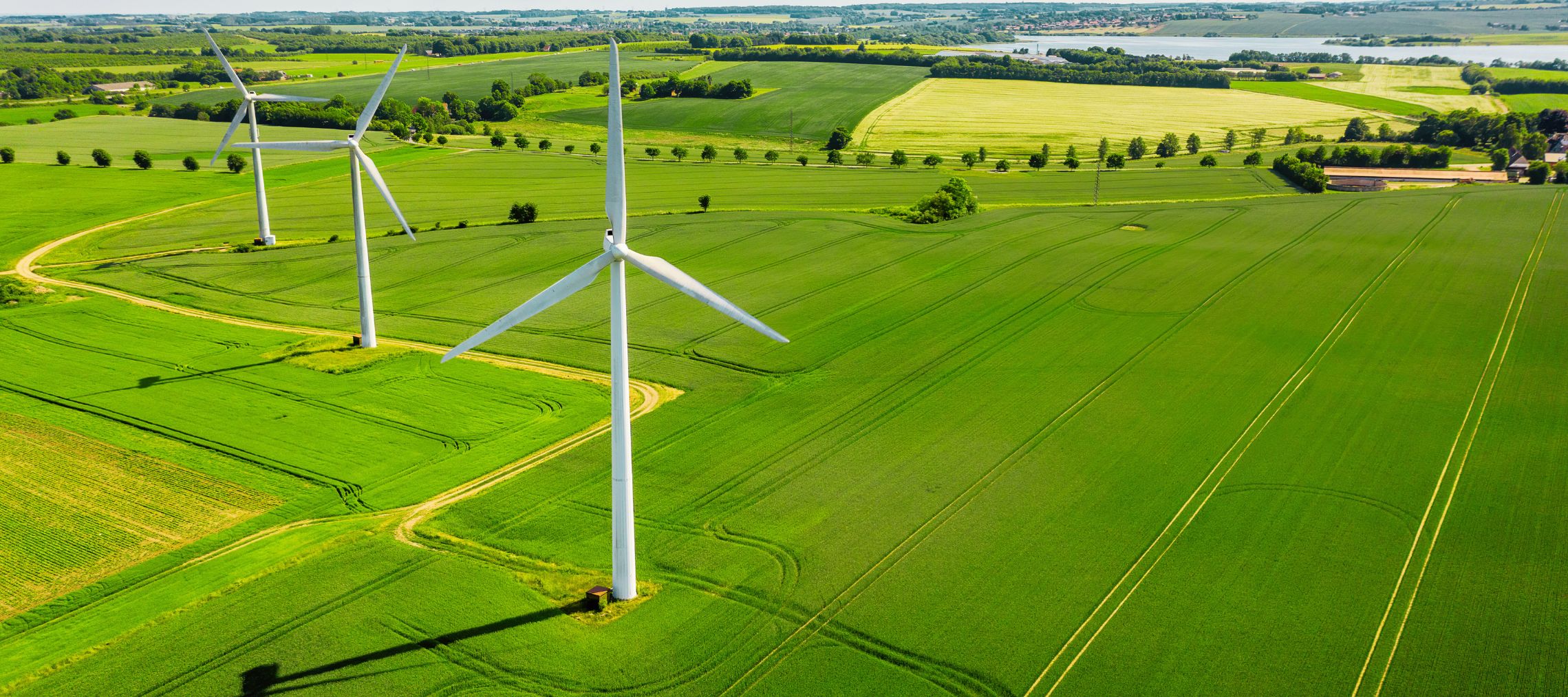
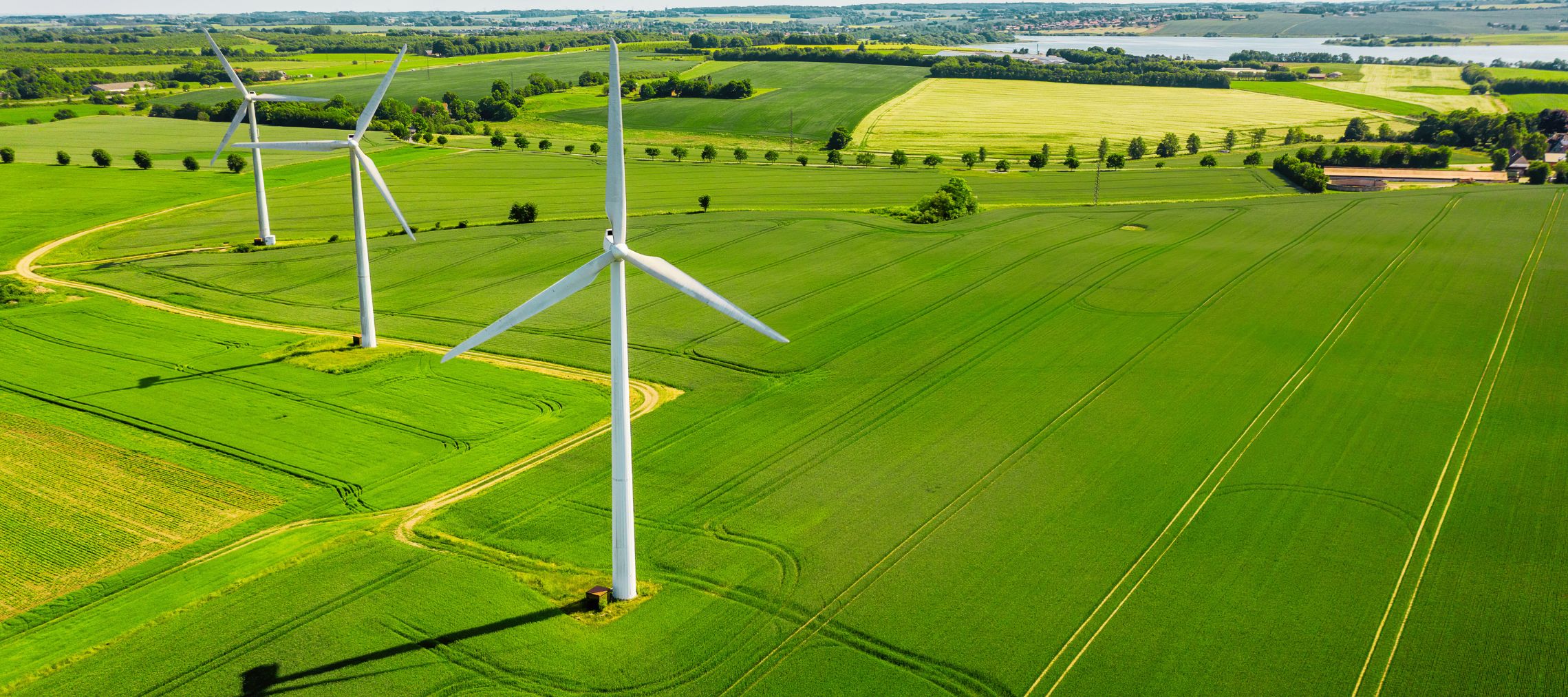



Incentivising Domestic Manufacturing for a Sustainable Solar Industry
After Finance Ministry’s (MoF) decision to reject Commerce Ministry’s (MoC) proposal of anti-dumping duties (ADD) in late August, solar developers heaved a big sigh of relief In this article, we review the controversy generated by the proposal for ADD in the light of existing evidence and future outlook for the solar photovoltaic (SPV) industry. We find that the popular narrative took a myopic view of the SPV industry. This was exhibited by overstating the negative impact of ADD and vice-versa, and the general buoyancy around the MoF decision, as reported in the news.
Political Economy of Renewable Energy Deployment in India A Case Study of Karnataka
Despite high targets and comprehensive policies, the deployment of renewable energy technologies has faced significant barriers in Karnataka during the past five years. This is because of the large disconnect that exists between central policies on renewable energy and regional needs. There is a need for subnational governments to play a more proactive role in renewable energy deployment.
Re-assessment of India’s On-shore Wind Power Potential
This collection of ten papers highlights some of the most pressing concerns for the countries of the global South. In doing so, they explore a variety of topics including social, governance, economic and environmental concerns Each paper demonstrates the challenges of building an international agenda which responds to the specificities of each country, while also being internationally relevant It is by acknowledging and analysing these challenges that the research from the global South supports the objective of a meaningful post-2015 agenda.
RE-Energising Karnataka: An Assessment of Renewable Energy Policies, Challenges and Opportunities
In this context, the main objective of this study is to critically examine the state’s RE policy to find gaps and implementation challenges specific to Karnataka The primary audience of this study are the state legislators and policymakers The methodology involved detailed stakeholder consultation with RE developers, the state nodal agency, the state electricity regulator and other government agencies involved in rural electrification through questionnaires and interviews in order to identify specific measures to address existing barriers to the growth of RE in the state The study identifie
Getting a buy–in from public on Kudankulam
Nuclear power is vital for India, and the government needs to be
more transparent in presenting the attendant risks, while
explaining that Kudankulam’s safety features are superior to those
of Fukushima.
Hydrogen: towards cleaner and sustainable transport
Extensive commercialisation of hydrogen vehicles is very much possible by the mid-21st century.
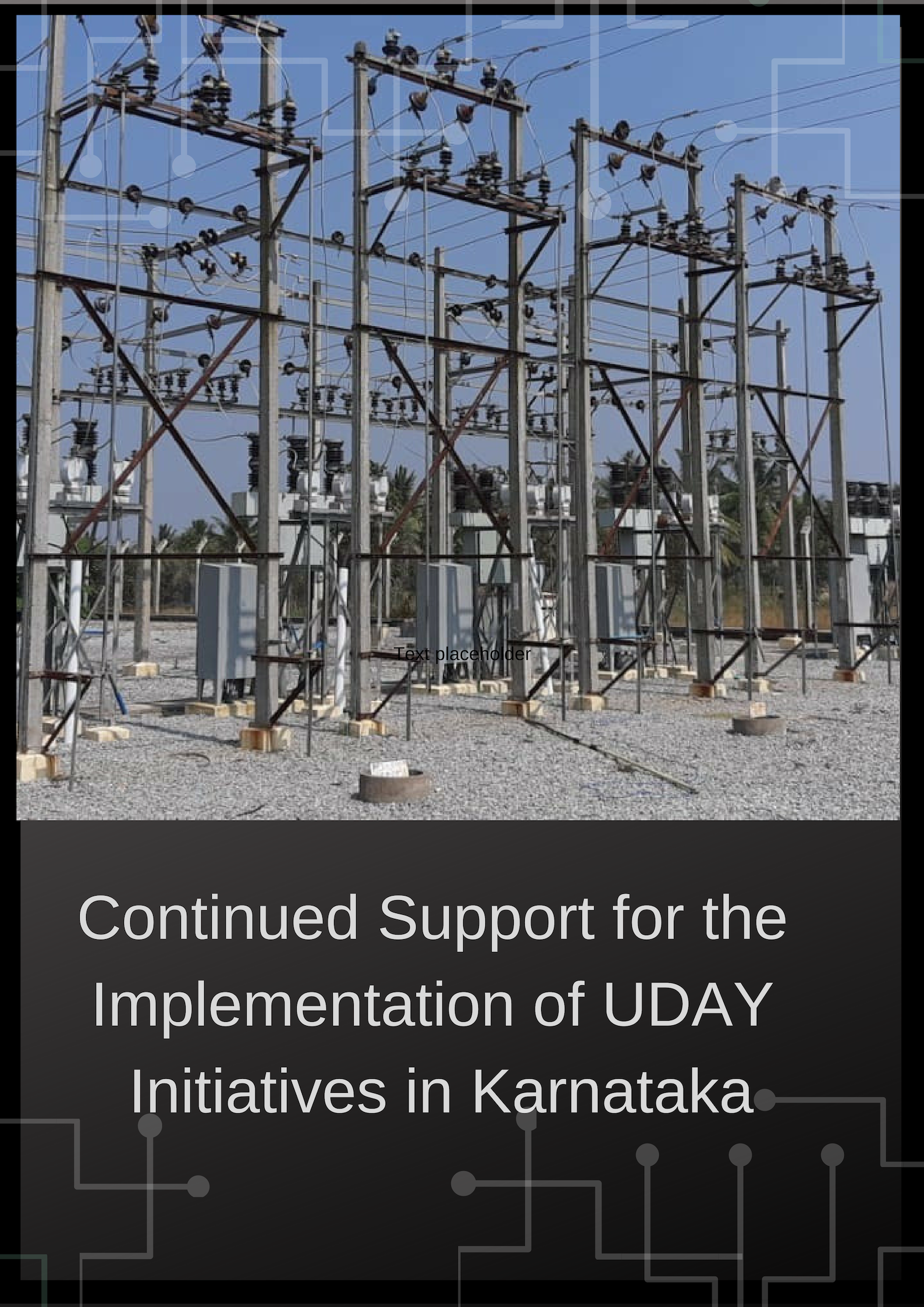
AT&C loss reduction: Hopes pinned on UDAY
The electricity distribution sector in India is considered to be the most important link in the entire power sector value chain. It is also the face of the electricity sector for consumers. The most critical issues plaguing the distribution sector are high aggregate technical and commercial (AT&C) losses, poor billing and revenue collection efficiency and inadequate infrastructure. This sector has been reeling under losses to the tune of Rs.3.8 trillion due to systemic inefficiencies.
The need for a pan India offshore wind atlas
Offshore wind trends are going to blow faster and steadier as compared to onshore wind. With a 7600-km coastline, India could become an attractive hub for offshore and wind investors in the coming years.
Smart grid can help electric vehicles tick
A synergy between smart grid infrastructure and EVs could enable utilities to work more effectively by managing the charging schedule, informing state transport agencies on EV charging status and keeping track of billing data through smart communication systems.
Smart Meters are the way to go
Integral to UDAY, smart meters can help discoms overhaul services. But picking the right technology is the issue.